The first time I ran a full-building discharge in a combined workplace and storehouse site, the most significant shock had not been the alarm system tone or the smoke device in the stairwell. It was exactly how people behaved under tension. Some iced up at their desks, others tried to end up emails, and our most positive manager battled to make decisions when the radio snapped with contrasting reports. That drill sealed a simple fact. Excellent devices matters, yet well trained wardens and a qualified chief warden matter a lot more. Picking the ideal warden course and training layout is not a line item for compliance. It is the foundation of a genuine emergency situation response.
This guide distills the information that employers, safety and security managers, and aiming wardens ask me regularly. We will certainly check out exactly how the nationally recognised devices of competency align to actual duties, what to anticipate from a quality service provider, whether to choose one-on-one, blended, or on-line formats, and exactly how to develop a training cycle that in fact prepares individuals for the hour you really hope never comes.
What the nationwide systems really mean on the ground
Across Australia, 2 devices lug most of the functional training load for office emergency response groups. PUA-FER005 and PUA-FER006 are more than program codes. They map to distinctive duties and ability, and when used suitably they provide your Emergency Control Organisation a shared language and a clear structure.
PUAFER005, usually provided as the puafer005 course or PUA-FER005 Run as part of an emergency control organisation, is the foundation for every warden. Think of it as the role-based spinal column of a fire warden course. It teaches how to carry out emergency situation reaction procedures, move a location, record status, utilize a warden intercom phone or radio properly, assist people that need assistance, and coordinate with the chief warden without including sound to the system. In method, a proficient warden takes care of a floor or zone, not the whole building.
PUAFER006, the puafer006 course or PUA-FER006 Lead an emergency situation control organisation, targets the chief warden and deputy roles. This is management under stress. The device covers decision production in dynamic problems, taking care of info circulation, picking appropriate emergency situation techniques, communicating with emergency situation services, and ending an incident securely with a head count and a record that withstands examination. The difference is significant. A warden follows the plan for a specified location. A chief warden leads, adapts, and makes the telephone call when problems don't match the script.
The ideal suppliers support fire warden training and chief fire warden roles in workplace safety warden training to these devices while tailoring content to your website's dangers and systems. That placement issues when auditors visit, however it matters much more when your deputy requires to run the program since the chief warden is off site.
Roles, hats, and the signals people in fact notice
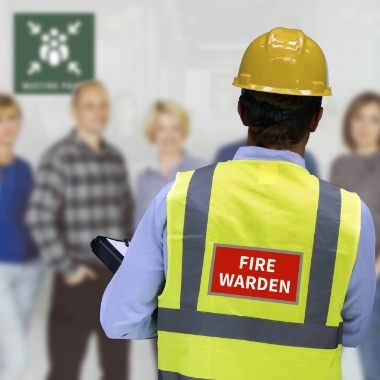
Visual hints help when adrenaline spikes and speech transforms unpleasant. That is why we still speak about fire warden hat colour and chief warden hat colours. Customs vary by industry and tradition method, but the typical pattern in Australia is basic to bear in mind. Wardens put on red, interactions or first aid assistance may use environment-friendly if assigned, and the chief warden wears white. If your site uses headgears, not soft caps or vests, the question frequently comes up in training: what colour helmet does a chief warden wear? Keep it crisp and regular across the website, ideally with clear phrasing on the helmet front and the high-visibility vest. A chief warden hat that is white, labeled plainly, and coupled with a white vest has actually saved me seconds throughout a drill that seemed like minutes.
Colour signs only work if individuals have actually seen them prior to the alarm system. Include them in new starter inductions, floor talk posters, and short refreshers.
Fire warden needs in the workplace
The regulation does not spell out your roster in detailed information. It calls for a qualified emergency control organisation ideal to the structure's usage, dimension, and intricacy, together with training and practice evacuation drills. The useful fire warden requirements boil down to coverage and capability.
Aim for at the very least one warden per floor or area, with backups to cover leave, changes, and travel. High-risk locations like research laboratories, kitchens with gas appliances, and production lines need wardens on every shift. In blended occupancy structures, agreement on the chief warden responsibility and typical treatments is crucial, whether you assign a structure chief warden or collaborate with a centers manager. The chief warden requirements include a reliable visibility on site throughout running hours and authentic authority to route people in an emergency. If your chief warden functions remote days, assign a replacement on opposite days and make that handover formal. Chief fire warden duties broaden past alarm systems. They should preserve the ECO checklist, verify training currency, check floor plans and warden equipment, and lead or delegate post-incident reviews after drills and genuine events.
Documentation underpins the whole structure. Maintain a current warden checklist with get in touch with details, floorings, and changes. Maintain training documents linked to PUAFER005 and PUAFER006 or equal knowing end results. Preserve your emergency situation action strategy so wardens can discover it swiftly, not hidden in a shared drive.
Matching training course material to your site risks
Generic slides about emergency situations do not prepare a group for ammonia leakages, lithium-ion battery fires, or a child care center emptying during snooze time. A deserving warden course maps your threats and your structure features into the training. That consists of the location and sort of fire extinguishers and fire coverings, just how the fire indication panel offers alarm systems, where the sprinkler and hydrant zones split, and exactly how stairway pressurization behaves in alarms. In one skyscraper I sustain, the voice warning system would escalate immediately in stages, which confused brand-new wardens who anticipated a solitary tone. Our company built a short module with audio instances from that specific system. Confidence increased since people recognized the sounds.
For an emergency emergency warden warden course in a health care or aged treatment setup, flexibility support and modern straight discharge are decisive. Manufacturing websites benefit from live extinguisher training making use of laser or gas-fired fitness instructors, gave it is carried out in a regulated location with qualified supervision. Workplaces with several contractors need a certain method to summoning and verification because contractors frequently sit outside human resources systems.
A supplier that quotes without inquiring about your structure illustrations, lessee mix, or certain threats is not preparing to train your group. Ask exactly how they will certainly contextualize PUAFER005 and PUAFER006 to your environment.
Choosing a service provider: signals of quality
I have actually learned to look past leaflets and ask ordinary inquiries. Service providers are not equivalent, and the least expensive option can be pricey when it creates shy wardens who can not manage the initial actual smoke warning.
Here are 5 markers I make use of to judge a fire warden training provider.
- Alignment to across the country acknowledged units with clear analysis: Request for their mapping to PUAFER005 Operate as part of an emergency control organisation and PUAFER006 Lead an emergency control organisation, including how they assess performance, not simply understanding. Scenario-based evaluation beats multiple-choice alone. Site-specific prep work: Great trainers request your emergency situation plan, floor plans, and alarm system details before distribution. They validate discharge diagrams, setting up areas, and any persons requiring assistance. Instructor trustworthiness: Trainers must reveal both genuine event experience and grown-up education and learning abilities. Fire service background assists, however instructing under stress is its own craft. Sit in on a session if you can. Blended learning done right: Pre-course eLearning needs to be lean, focused, and easily accessible on any kind of tool, with practical in-person practice for interactions, sweeping, and management. A 3-hour read of policy PDFs is not mixed learning. Post-training assistance: Carriers that aid with drill preparation, chief warden refresher scenarios, and post-incident debrief templates understand that capability develops over time.
If you remain in a multi-site organization, ask whether they can provide consistency of material and assessment throughout regions while still personalizing regional details.
Format selections: one-on-one, blended, or online only
Warden training works best when it mirrors the reality of an emergency situation: short ruptureds of clear instruction, adhered to by decisive activity and feedback. That shapes how you should choose the training format.
Face to encounter invests most time on useful tasks. Wardens method making use of radios, brushing up a space, shutting doors without locking them, directing stubborn colleagues to move, and reporting to the chief warden in plain language. For PUAFER006, the facilitator runs evolving scenarios where the chief warden receives contrasting records, fire indication panel mimic data shifts, or a lift entrapment distracts sources. People entrust to muscle memory they can recall under tension. The compromise is schedule time and area setup.
Blended understanding sets brief eLearning modules for concept with targeted in-person drills. It is my preferred design in most work environments. Wardens finish the theoretical components online, including emergency situation color codes, alarm system states, and extinguisher basics. Then the on-site session concentrates on procedure walk-throughs and incident simulations. It decreases interruption and maintains the practical parts energetic. For an emergency warden course duplicated yearly, a tight 60 to 90-minute sensible refresher works when the theory is rejuvenated on the internet beforehand.
Online only has a narrow duty. It can work as a substitute for remote places or as an interim refresher course, yet it can not deliver the communication and leadership practice required by PUA-FER006, and it shortchanges brand-new wardens under PUAFER005 that have actually never cleared a floor or dealt with a radio. Use it moderately and pair with a drill as soon as possible.
Frequency and currency: just how usually to train
Most organizations pick a 12-month cycle for warden training and a 6 to 12-month cycle for emptying drills. In high turnover settings or where the structure adjustments commonly, relocate more detailed to 6 months for drills and 12 months for wardens. When performance in drills lags, shorten the gap to re-energize the group and create energy. Keep an eye on timing for brand-new beginners and freshly assigned wardens. Waiting eight months for the next scheduled program leaves a space. Prepare a catch-up session or fast-track a small group.
Chief warden training benefits from even more frequent circumstance method, even if casual. A 20-minute tabletop workout once a quarter keeps decision-making muscle mass from atrophying. PUAFER006 web content consists of leadership under pressure for a reason. Without usage, that edge dulls.
Assessment that shows genuine pressure
Competency indicates more than recalling evacuation paths. For PUAFER005, I anticipate a warden to show a full sweep of a specified location, recognize and help an individual that needs aid, deliver a concise scenario record, and muster securely. Errors are teachable moments, however the assessment has to be authentic.
For PUAFER006, the chief warden need to lead the ECO through a substitute case from very first alarm system to all-clear or handover to emergency situation services. They need to interpret panel details, manage radio networks, allocate wardens, make a tactical choice, and document important timestamps. Fitness instructors that can stage overlapping injects without turning the session right into theater give the best knowing problems. One supplier I rely on makes use of an easy clock estimate and scripted radio injects to replicate the haze without overwhelming participants.
Equipment and tiny information that make a huge difference
Consistency and simpleness save time. Furnish wardens with the exact same model of radio where possible, labeled by area or floor. Program channels to match your building areas and maintain channel naming regular with layouts. Store warden hats and vests in a visible, easily accessible location. If using helmets, confirm they fit with PPE or religious head coverings. The chief warden hat should be distinct. White is the standard for a chief warden hat or safety helmet, which answers the perennial concern regarding chief warden hat colour and the chief fire warden hat colour without debate. Match the hat with a published role card clipped to the vest that details preliminary actions and radio phone call structure.
Printed flooring sweep sheets with the names of known mobility-impaired passengers help wardens prevent guesswork. A small laminated card on extinguisher selection decreases hesitation without welcoming heroics. Training must enhance that wardens are not firemans. Snuff out just if risk-free to do so, with a clear leave at your back, and only on incipient fires.
Integrating service providers, site visitors, and crossbreed work
Modern workplaces stretch throughout home desks, satellite workplaces, and websites with contractor-heavy head counts. Fire warden requirements in the workplace have to adapt.
For crossbreed workplaces, update the ECO roster to reflect genuine occupancy patterns. Designate wardens to core days and back-up wardens to opposite days. Make duty lineups visible in the common schedule. For contractors, build warden coverage into procurement and site access. Contractors ought to recognize the setting up area, the warden framework, and how to report problems. Visitor monitoring systems should publish assembly information on badges. In multi-tenant structures, coordinate an usual alarm response with the structure manager to prevent conflicting guidelines. A chief emergency warden for the structure must be identified, with renter chief wardens in support.
The chief warden duty: past the checklist
A capable chief warden brings tranquil to turmoil. Chief warden responsibilities stretch from planning through to after-action records. That consists of keeping the ECO structure and contact listings, organizing and participating in drills, lining up with the building's Fire Sign Panel vendor on basic interface expertise, and seeing to it evacuation layouts match truth after fit-outs. Throughout an incident, chief fire warden responsibilities consist of developing control, establishing radio self-control, verifying safe egress courses, and choosing when to separate a zone or pull a full emptying. Afterward, they lead a rational review. What functioned, what needs repairing, and that calls for additional assistance. Chief fire warden requirements are partly technological, primarily human. They require self-confidence, authority, and the humbleness to update the plan when it falls short.
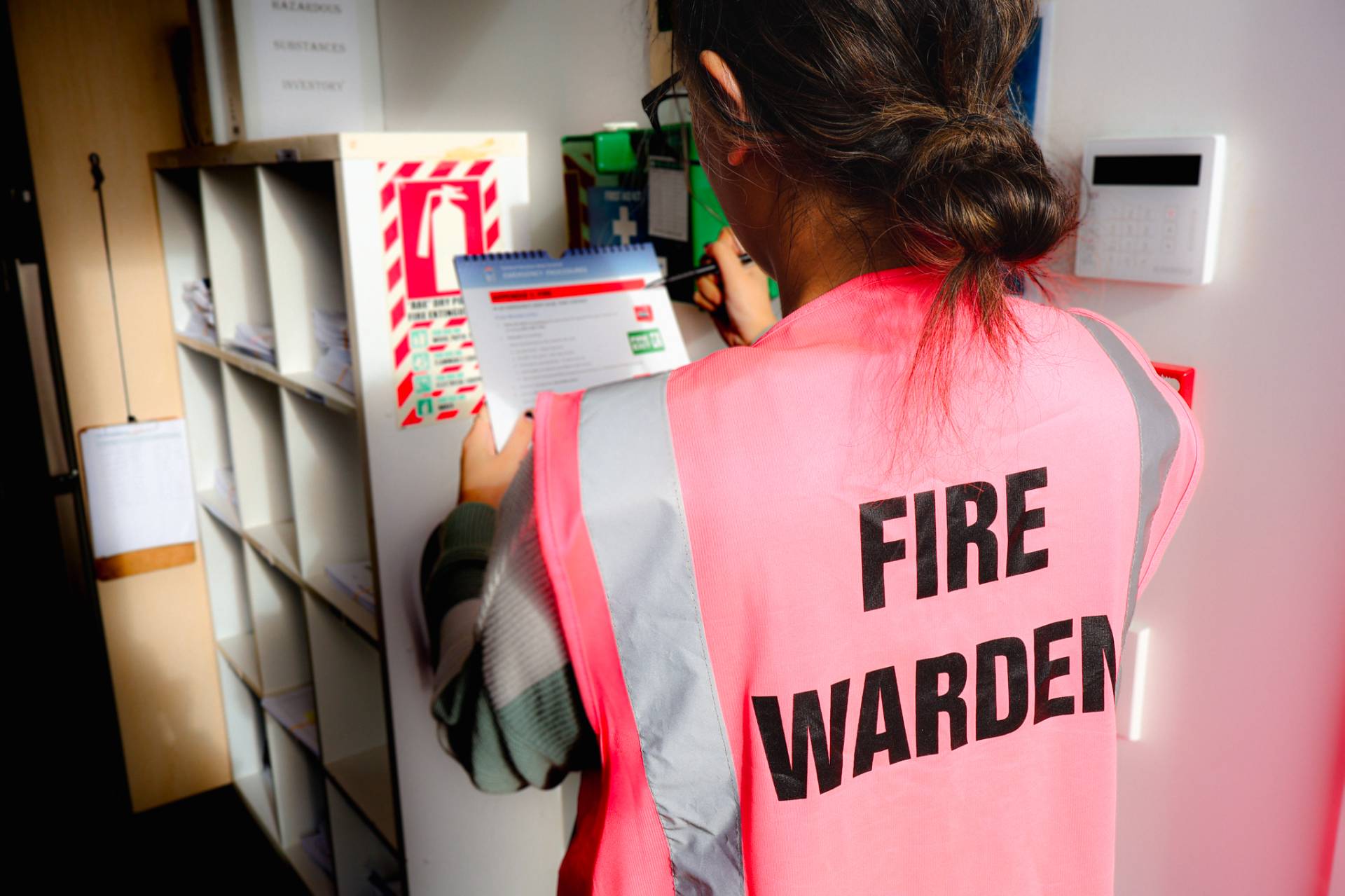
If you are taking a look at a chief warden course for somebody recently promoted or taking on facilities responsibilities, select a program that supplies situation coaching, not just lectures. Chief fire warden training that utilizes your real site strategies constructs memory you can count on.
Making feeling of pre-learning and micro-credentials
Some providers unbundle finding out into micro-credentials or brief components. Utilized well, this lets you maintain PUAFER005 and PUAFER006 fresh with targeted refresher courses. A 20-minute module on alarm system states and voice caution sequences, a 15-minute wrap-up on P.A.S.S. for extinguisher usage, or a quick drill on radio style all assistance. Stay clear of bloat. Pre-course web content needs to seldom go beyond an hour for wardens and 90 minutes for chief wardens. People preserve much better when theory lands near to exercise. Link completion to calendar invites for drills and sensible sessions so energy brings through.
Cost versus value: invest where it counts
Budgets are real. Still, I encourage spending on 3 levers that actually enhance outcomes.
First, placed money right into instructor quality and site-specific preparation. Second, timetable sensible time that includes realistic situations, not just walk-throughs. Third, develop a light however persistent refresh cycle into your year so skills do not discolor. You can conserve by centralizing eLearning and themes across sites, but do not stint the in person minutes where courage and clarity are built.
How to brief your service provider prior to training day
A strong pre-brief collections the stage for meaningful training. Share your emergency situation plan, warden listing, floor representations, and any kind of recent case learnings. Flag well-known challenges like locked adjoining doors, safe labs, or mezzanines with solitary exits. Verify assembly locations, back-up setting up locations, and any kind of shelter-in-place circumstances relevant to your site. If you have multilingual team or areas with hearing defense, the carrier can readjust drills appropriately. The difference between a memorizing session and a transformative one usually depends on this preparation.
What a well-run training day feels like
The area layout is straightforward, with layouts on display and hats noticeable. The instructor establishes expectations rapidly, then relocates the team into brief cycles of instruction and action. For wardens in PUAFER005, that looks like location move drills, mock door checks, and radio technique. For PUAFER006, the session builds right into a scenario where the chief warden works with multiple wardens, manages an escalated alarm system, and communicates with a simulated fire service police officer. Every person gets feedback. The instructor notes where the plan aided and where improvisation was needed. Nobody leaves unclear concerning the next action in an actual event.
A useful course for various workplaces
A small single-level workplace with 40 personnel can educate 2 wardens and a chief warden, with one replacement, making use of a blended version. PUAFER005 for the wardens, PUAFER006 for the principal and replacement, plus an annual drill and a fast refresher every six months. Keep an easy warden set near the main exit, and make use of a quarterly five-minute safety and security huddle to freshen setting up points.
A multi-tenant mid-rise needs a coordinated technique. Each lessee selects wardens under PUAFER005 and a renter chief or deputy under PUAFER006, and the building assigns a chief emergency warden. Regular building-wide drills and radio channel discipline are important. Website signage must be shared and regular. Chief warden hat colour and warden hat colors should be straightened throughout occupants to prevent confusion.
A processing plant or storehouse with warm work, forklifts, and flammable dust requires deepness. Each change requires numerous wardens, including a minimum of one with strong knowledge of the plant. The chief fire warden course need to consist of operational risks and shut-down procedures. Drills have to test obstructed exits and alternating assembly areas. Train safety or gatehouse teams in visitor control so mustering data is reliable.
An institution or healthcare site forms educating around protected-in-place choices and discharges of people with limited movement or cognitive disabilities. The emergency warden training ought to consist of patient or trainee transfer methods and the decision points that divide a partial relocation from a full structure evacuation.
Records that stand up and teach
Keep training documents basic, exact, and retrievable. Web link names to duties, dates, devices of expertise, and expiration or freshen dates. Store drill records with time stamps, case infuses, and outcomes. The very best drill records check out like short stories with timestamps, making it clear where choices were made and what altered. Over time these records become an inner book customized to your building, even more beneficial than generic guidance.
Common failing points and how to avoid them
The most regular failures are painfully common. Radios with flat batteries or unclear channel tags. Wardens who wait to use firm language with colleagues. Principal wardens who speak with everybody and consequently to no one. Emptying representations that drag fit-outs by a few months and send people to the incorrect stairwell. Visitors that disappear during the muster because nobody logged them in.
Prevent these with month-to-month radio checks and a phoned number network card, role-play of assertive language in training, a clear command post for the chief warden, and a quarterly review of emptying diagrams versus existing floor formats. For site visitors, offer reception groups a muster report and a list that takes a trip with the chief warden kit.
A short contrast of roles, training, and visible identifiers
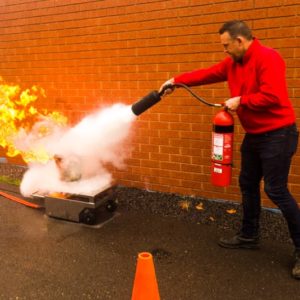
- Role and scope: Wardens take care of zones and individuals activity. Principal wardens manage the whole event and the ECO. Training systems: Wardens total PUAFER005. Chief wardens total PUAFER006, often after or together with PUAFER005. Practical abilities: Wardens sweep, report, assist. Chief wardens lead, allot, decide. Visible identifiers: Wardens put on red. The chief warden hat colour is white. Uniformity beats imagination here. Refresh cycle: Wardens annual with drills a minimum of annual. Principal wardens yearly plus short scenario refresher courses each quarter if possible.
Final ideas from the drill ground
I have actually viewed trendy heads avoid panic and I have watched excellent individuals freeze. The distinction is not fearlessness alone. It is practice, clarity, and a shared plan. Select a provider that treats PUAFER005 and PUAFER006 as living expertises, not simply boxes to tick. Pick a format that provides your people time on their feet, radios in hand, and decisions to make. Keep the hats and vests simple so in a crowd the ideal individual sticks out instantly. Develop a rhythm of finding out that fits your workplace and your risks.
If your warden training leaves individuals feeling like they can act, talk clearly, and adjust when the unforeseen happens, you chose well. If it leaves them with slides and unclear memories, change training course. Your following alarm may not await a better day.
Take your leadership in workplace safety to the next level with the nationally recognised PUAFER006 Chief Warden Training. Designed for Chief and Deputy Fire Wardens, this face-to-face 3-hour course teaches critical skills: coordinating evacuations, leading a warden team, making decisions under pressure, and liaising with emergency services. Course cost is generally AUD $130 per person for public sessions. Held in multiple locations including Brisbane CBD (Queen Street), North Hobart, Adelaide, and more across Queensland such as Gold Coast, Sunshine Coast, Toowoomba, Cairns, Ipswich, Logan, Chermside, etc.
If you’ve been appointed as a Chief or Deputy Fire Warden at your workplace, the PUAFER006 – Chief Warden Training is designed to give you the confidence and skills to take charge when it matters most. This nationally accredited course goes beyond the basics of emergency response, teaching you how to coordinate evacuations, lead and direct your warden team, make quick decisions under pressure, and effectively communicate with emergency services. Delivered face-to-face in just 3 hours, the training is practical, engaging, and focused on real-world workplace scenarios. You’ll walk away knowing exactly what to do when an emergency unfolds—and you’ll receive your certificate the same day you complete the course. With training available across Australia—including Brisbane CBD (Queen Street), North Hobart, Adelaide, Gold Coast, Sunshine Coast, Toowoomba, Cairns, Ipswich, Logan, Chermside and more—it’s easy to find a location near you. At just $130 per person, this course is an affordable way to make sure your workplace is compliant with safety requirements while also giving you peace of mind that you can step up and lead when it counts.